
Dry Carbon Fiber vs Wet Carbon: Why Serious Enthusiasts Choose Prepreg Carbon Fiber for Lightweight Car Parts
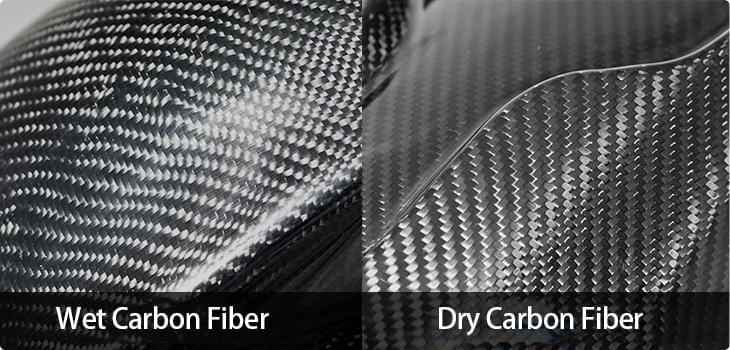
Many first-time car enthusiasts fall into the same trap when shopping for carbon fiber upgrades. A glossy weave pattern, aggressive marketing photos, and low prices create the illusion of premium performance. But after several months, reality hits: yellowing surfaces, poor fitment, added weight, cracked edges, and fading clear coat.
The truth is that the aftermarket carbon fiber industry is filled with misleading products. Some are fiberglass with a cosmetic carbon layer. Others use low-cost wet layup construction that looks impressive online but performs poorly in real-world conditions.
Understanding the real difference between dry carbon fiber and wet carbon fiber is essential before upgrading any performance vehicle. Whether you drive a BMW M3, M4, M2, or another performance platform, the material you choose directly impacts weight, rigidity, durability, aerodynamics, and driving feel.
Below is a detailed breakdown of “Dry carbon fiber vs wet carbon, prepreg carbon fiber benefits, lightweight car parts” with visual examples to help enthusiasts understand why serious builders and motorsport teams choose prepreg dry carbon fiber.
The Carbon Fiber Illusion: Why Many Buyers Get Misled
Most beginners assume all carbon fiber is the same. Unfortunately, that is far from reality.
Cheap aftermarket manufacturers often prioritize appearance over engineering quality. A part may visually resemble authentic carbon fiber while lacking the structural benefits that make carbon fiber valuable in the first place.
Common problems with low-quality wet carbon parts include:
Excessive weight
- Uneven weave patterns
- Surface bubbling
- Cracking under stress
- Yellowing from UV exposure
- Poor fitment accuracy
- Weak structural rigidity
- This is why discussions about “Dry carbon fiber vs wet carbon, prepreg carbon fiber benefits, lightweight car parts” have become increasingly important in the performance community.
Common Low-Quality Wet Carbon Parts
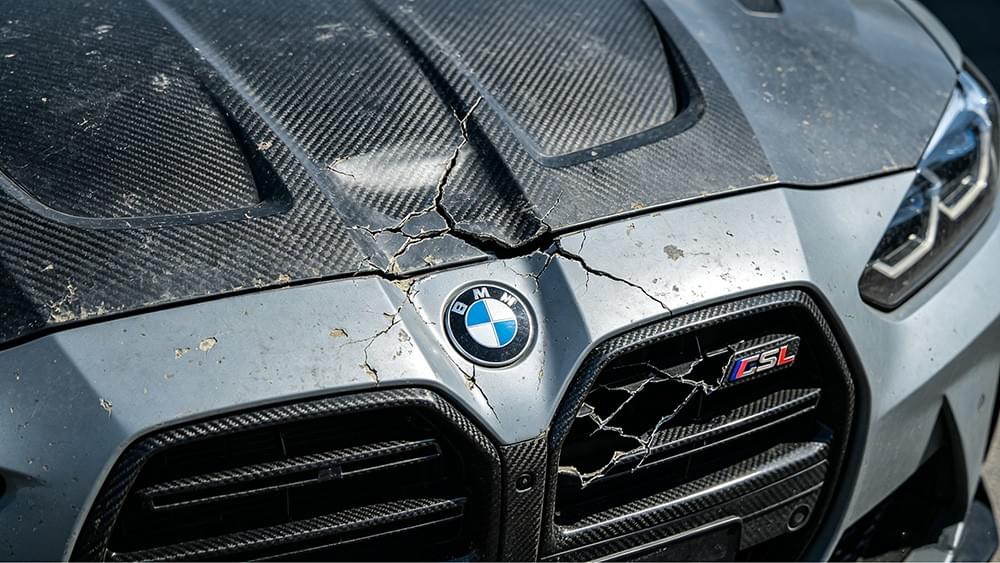
Many budget products rely on cosmetic appeal rather than genuine engineering performance.
What Is Wet Carbon Fiber?
Wet carbon fiber, also known as wet layup carbon, is the most common manufacturing process used in low-cost aftermarket parts.
During production, carbon cloth is manually placed into molds and saturated with liquid resin by hand. The resin then cures naturally or with minimal heat assistance.
This process is inexpensive and fast, which explains why wet carbon dominates entry-level aftermarket products.
However, wet layup construction creates several serious disadvantages.
Weight Difference: Dry Carbon vs Wet Carbon
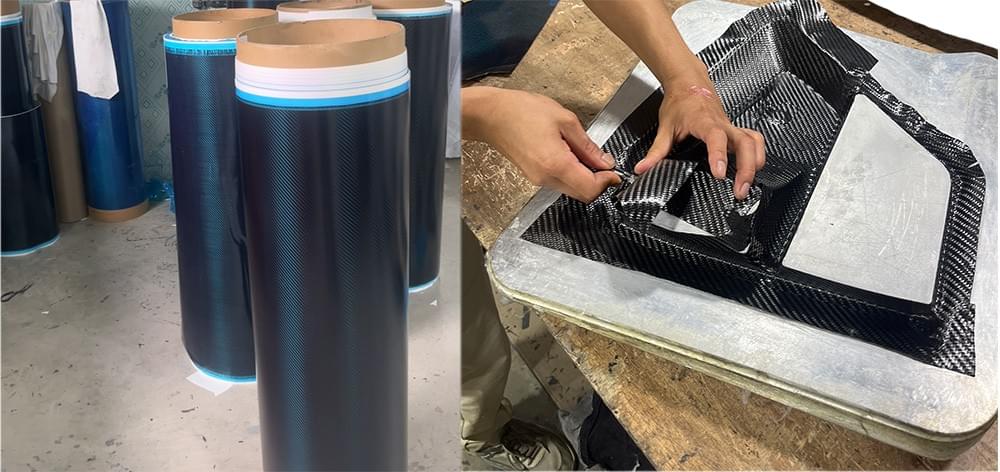
One of the biggest differences in “Dry carbon fiber vs wet carbon, prepreg carbon fiber benefits, lightweight car parts” is weight reduction.
Wet carbon manufacturing often uses excessive resin to ensure the weave is fully saturated. That excess resin adds unnecessary mass.
Dry carbon fiber, by contrast, uses prepreg material with a carefully controlled resin ratio.
The result?
Dry carbon parts are typically 30%–40% lighter than comparable wet carbon components.
That reduction significantly improves:
- Acceleration
- Braking
- Steering response
- Cornering stability
- Suspension efficiency
Lightweight Dry Carbon Components
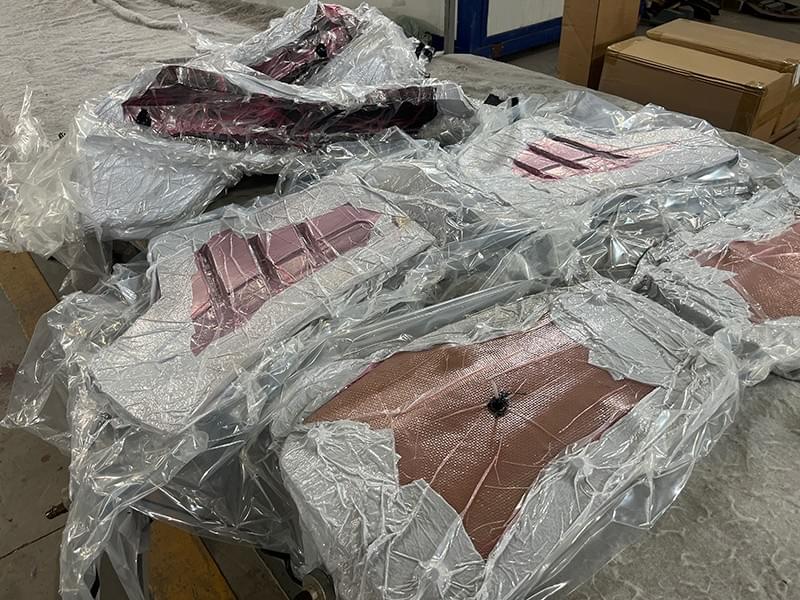
This is one reason motorsport teams prioritize prepreg dry carbon construction.
What Is Dry Carbon Fiber?
Dry carbon fiber refers to prepreg carbon fiber manufactured under high temperature and high pressure inside an autoclave.
Unlike wet carbon construction, prepreg carbon already contains precisely measured resin infused directly into the carbon weave before molding begins.
This creates far greater structural consistency and dramatically reduces excess weight.
When discussing “Dry carbon fiber vs wet carbon, prepreg carbon fiber benefits, lightweight car parts,” prepreg manufacturing is the key technology difference.
Why Prepreg Carbon Fiber Is Superior
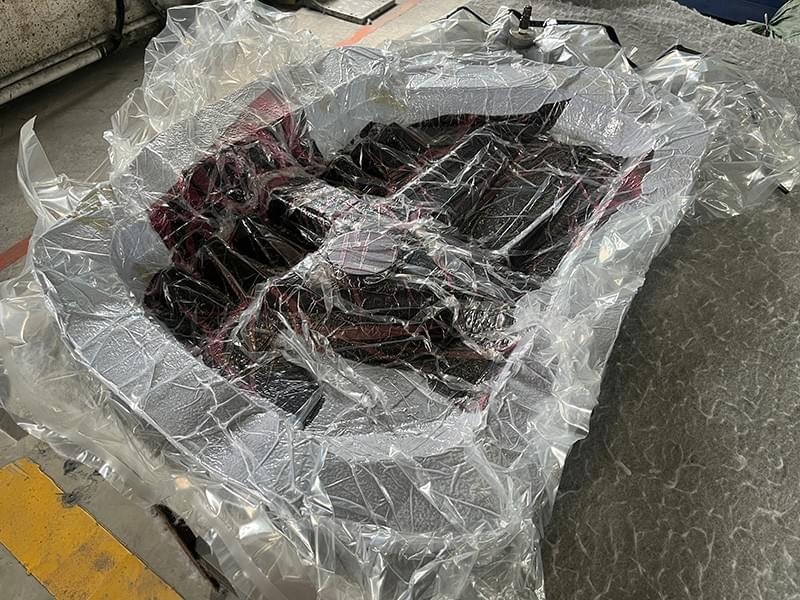
The phrase “prepreg carbon fiber benefits” is widely associated with aerospace engineering, Formula racing, and high-end supercars because prepreg construction delivers measurable performance advantages.
1. Superior Strength and Rigidity
Dry carbon fiber is cured under intense pressure inside an autoclave. This compresses the weave tightly and removes microscopic air pockets.
The result is:
- Higher tensile strength
- Better rigidity
- Reduced flex
- Improved impact resistance
- Enhanced aerodynamic stability
Wet carbon often contains internal voids caused by inconsistent resin application.
For high-stress components, prepreg dry carbon is vastly superior.
Autoclave Carbon Fiber Manufacturing
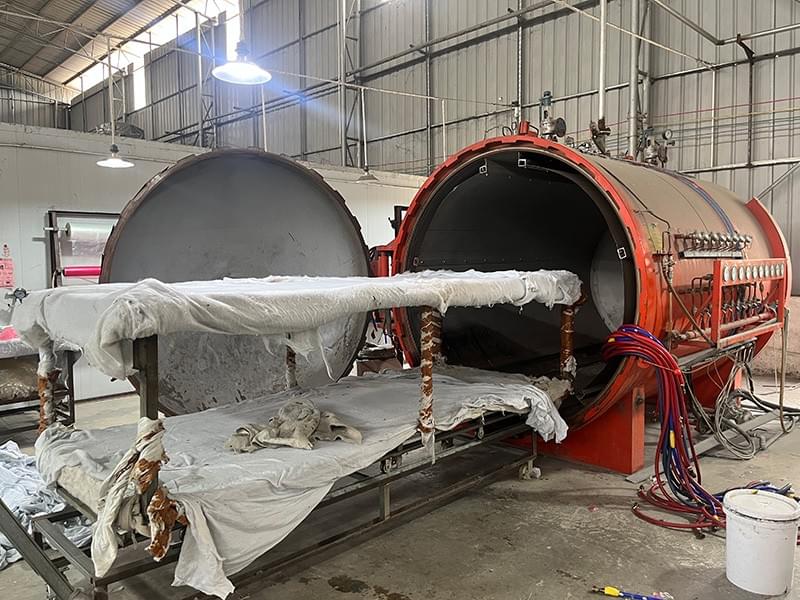
This is a major reason why “Dry carbon fiber vs wet carbon, prepreg carbon fiber benefits, lightweight car parts” matters for performance-oriented builds.
2. Better Surface Finish
Another major difference between dry carbon and wet carbon is visual quality.
Dry carbon typically offers:
- Sharper weave alignment
- More consistent texture
- Better UV resistance
- Reduced yellowing
Cleaner edges
Wet carbon products often appear overly glossy because of excess resin buildup.
Over time, that resin can discolor or crack.
Dry Carbon Fiber Weave Quality
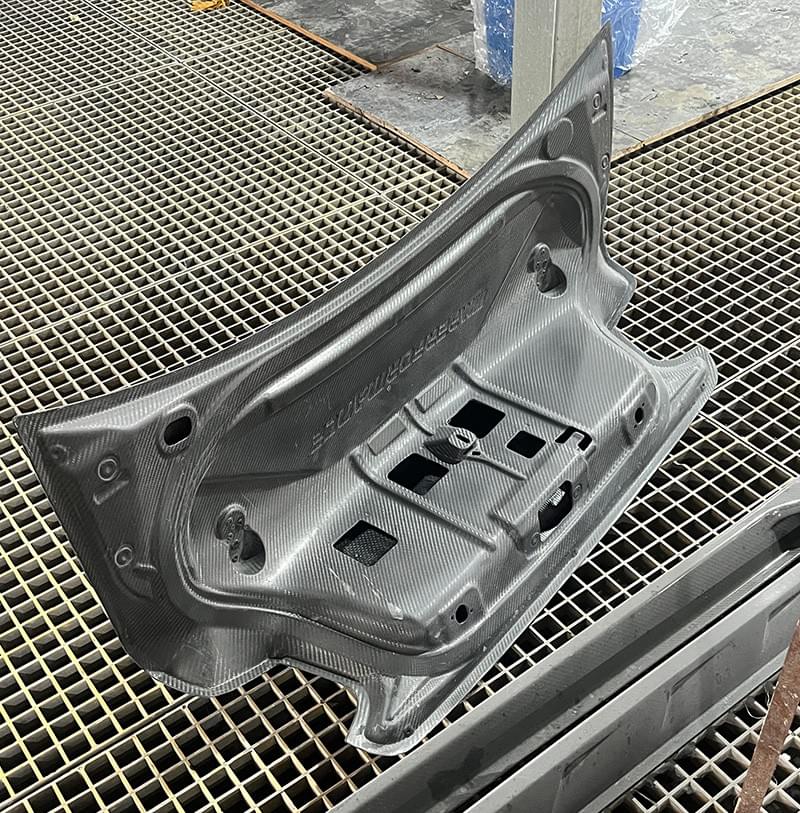
Premium enthusiasts immediately notice the difference.
Why Lightweight Car Parts Matter
Modern performance vehicles continue gaining weight because of:
- Safety regulations
- Larger electronics systems
- Chassis reinforcement
Hybrid technology
Even modern BMW M cars are significantly heavier than previous generations.
This is why lightweight car parts have become critical for improving performance without increasing engine output.
Reducing weight improves:
- Cornering balance
- Tire wear
- Fuel efficiency
- Acceleration
- Braking performance
Steering feel
Again, “Dry carbon fiber vs wet carbon, prepreg carbon fiber benefits, lightweight car parts” becomes essential for serious enthusiasts.
Which Parts Should Always Use Dry Carbon Fiber?
Not every component requires aerospace-grade prepreg construction. However, some parts absolutely benefit from dry carbon engineering.
Carbon Fiber Hoods
The hood is one of the largest removable body panels on a vehicle.
A dry carbon hood significantly reduces front-end weight and improves chassis balance.
- Benefits include:
- Better turn-in response
- Reduced front axle load
- Lower center of gravity
- Improved heat extraction
Because hoods experience vibration and thermal stress, prepreg construction provides far better durability.
Dry Carbon Fiber Hoods
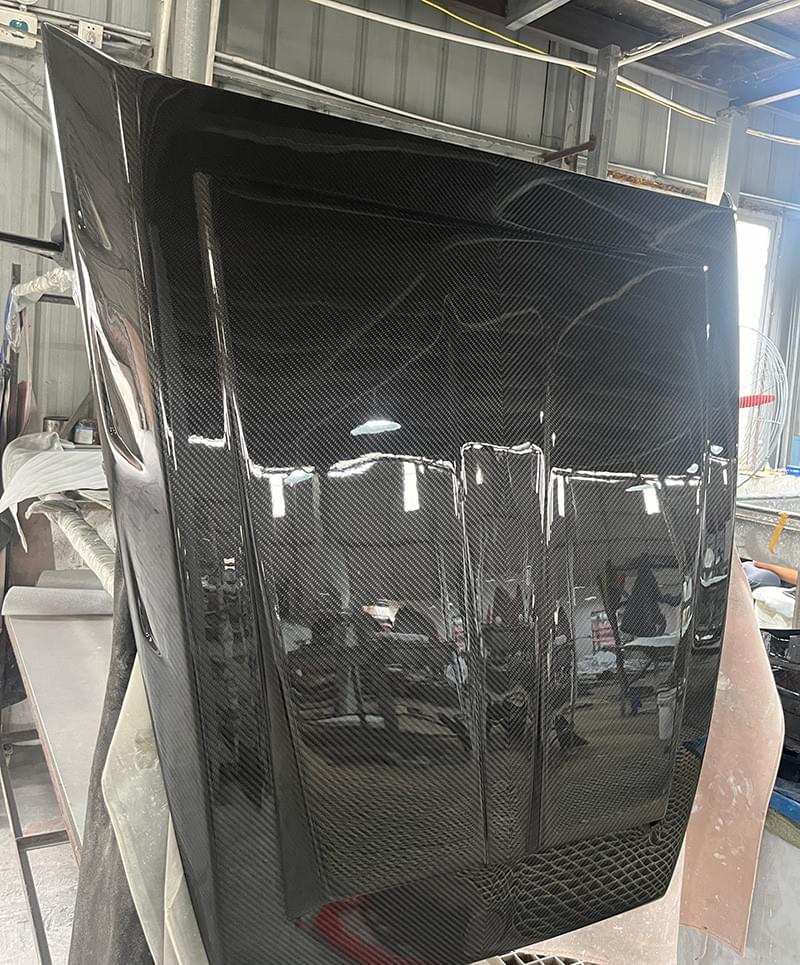
This is one of the best examples of “Dry carbon fiber vs wet carbon, prepreg carbon fiber benefits, lightweight car parts.”
Rear Diffusers
Rear diffusers play a major aerodynamic role at high speeds.
Cheap wet carbon diffusers often flex under airflow pressure, reducing aerodynamic efficiency.
Dry carbon diffusers maintain rigidity and stability even during aggressive driving.
Carbon Fiber Rear Diffusers
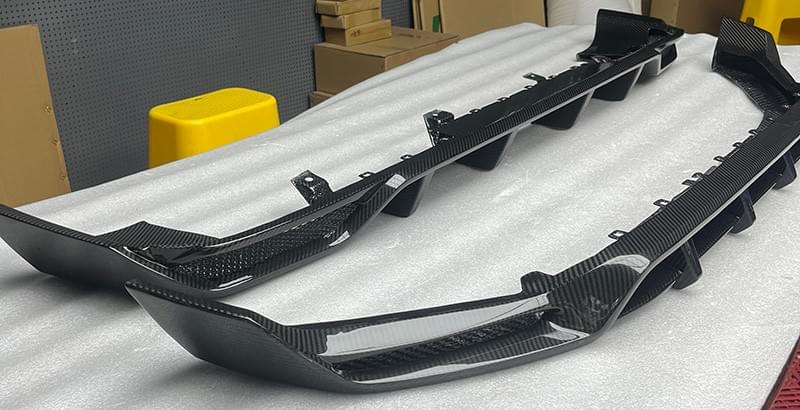
This matters enormously for track cars and high-speed builds.
Front Splitters
Front splitters experience constant abuse from:
- Air pressure
- Road debris
- Water exposure
Vibration
Speed bumps
Dry carbon construction offers superior rigidity and reduced flex at high speeds.
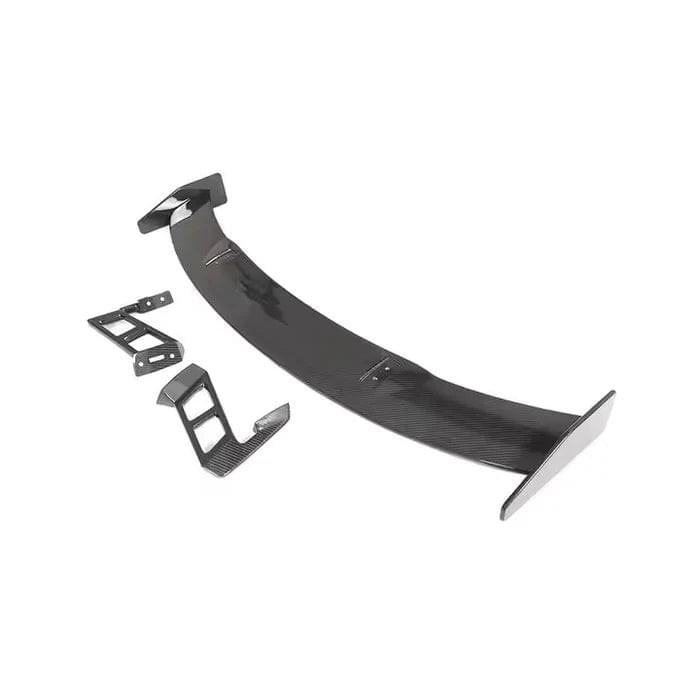
This is another reason why “Dry carbon fiber vs wet carbon, prepreg carbon fiber benefits, lightweight car parts” matters in real-world performance.
Roof Panels and Center of Gravity
The roof sits at the highest point of the vehicle.
Reducing weight here dramatically lowers the center of gravity and improves handling balance.
That is why many OEM performance manufacturers use dry carbon roofs.
Carbon Fiber Roof Panels
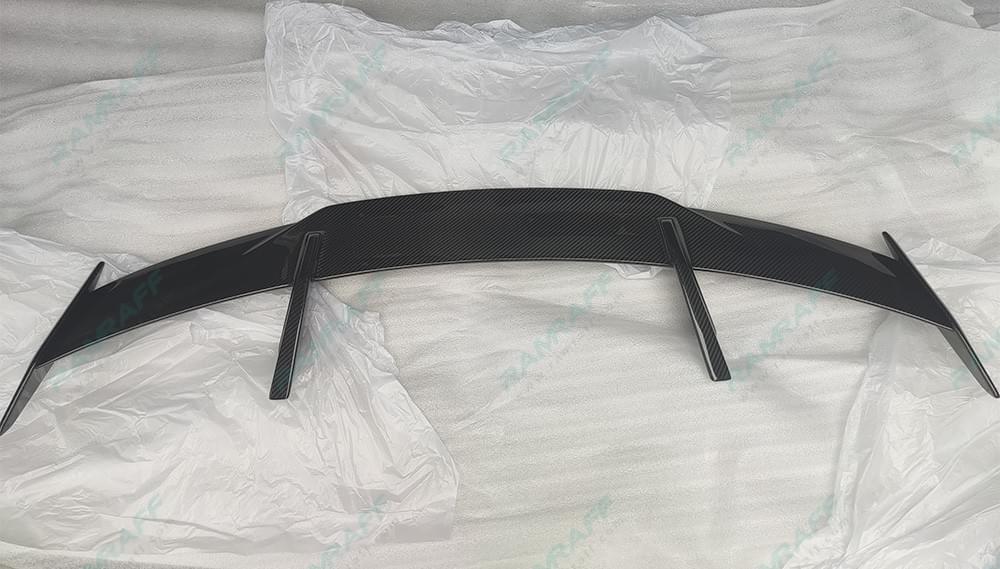
Wet carbon roofs typically fail to deliver meaningful weight savings.
Which Parts Can Use Wet Carbon?
Some cosmetic components can reasonably use wet carbon construction, especially when budget matters.
- Examples include:
- Mirror caps
- Interior trim
Decorative overlays
Cosmetic covers
These parts experience lower stress and minimal aerodynamic load.
However, even here, authentic dry carbon usually provides superior appearance and durability.
Why Cheap Carbon Fiber Fails Over Time
Low-cost manufacturers often prioritize speed and profit margins.
- Common shortcuts include:
- Hand-laid resin application
- Low-grade UV coating
- Fiberglass reinforcement
- Low-pressure curing
Thin clear coat layers
- Over time, these shortcuts create:
- Delamination
- Cracks
- Yellowing
Surface fading
Warping
Poor fitment
This is why experienced enthusiasts carefully research manufacturing methods before buying.
Why BMW M Enthusiasts Prefer Dry Carbon
BMW M owners demand precise chassis performance.
- Vehicles such as the:
BMW G80 M3
BMW G82 M4
BMW G87 M2
are engineered with extremely refined weight distribution and handling balance.
Adding heavy low-quality carbon parts undermines that engineering.
This is exactly why searches for “Dry carbon fiber vs wet carbon, prepreg carbon fiber benefits, lightweight car parts” continue growing within the BMW performance community.
BMW Dry Carbon Fiber Builds

The Future of Lightweight Automotive Engineering
As vehicles become heavier due to electrification and safety requirements, lightweight materials become increasingly important.
Future automotive engineering will rely heavily on advanced prepreg composites.
This makes “Dry carbon fiber vs wet carbon, prepreg carbon fiber benefits, lightweight car parts” more relevant than ever before.
Weight reduction is no longer only about racing.
It is becoming essential for overall vehicle efficiency and driving dynamics.
Why RAMRAFF Uses Autoclave Dry Carbon Technology
RAMRAFF focuses on true performance engineering instead of cosmetic shortcuts.
Rather than using low-cost wet layup methods, RAMRAFF invests in:
- Aerospace-grade prepreg carbon fiber
- Autoclave curing systems
- Precision mold engineering
UV-resistant finishing
OEM-level fitment
The result is lightweight car parts that deliver real-world performance advantages alongside premium appearance.
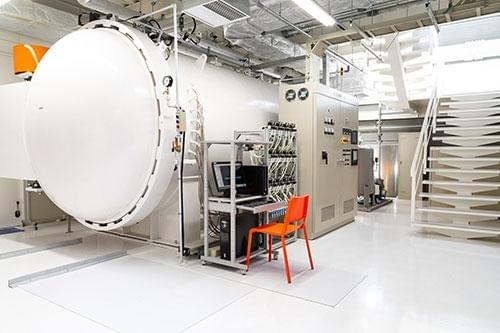
For enthusiasts who truly understand “Dry carbon fiber vs wet carbon, prepreg carbon fiber benefits, lightweight car parts,” manufacturing quality matters as much as design itself.
Final Thoughts
The aftermarket industry is full of misleading carbon fiber marketing. Many beginners unknowingly purchase cosmetic carbon products that offer little genuine performance improvement.
But once you understand “Dry carbon fiber vs wet carbon, prepreg carbon fiber benefits, lightweight car parts,” the differences become impossible to ignore.
- Dry carbon fiber offers:
- Lower weight
- Higher rigidity
- Better weave quality
- Superior durability
Improved aerodynamic stability
Longer lifespan
For high-performance components like hoods, diffusers, splitters, and roof panels, prepreg dry carbon remains the gold standard.
Wet carbon still has a place for low-stress cosmetic upgrades, but serious enthusiasts, track drivers, and premium builders consistently choose authentic dry carbon for true performance gains.
That is why brands like RAMRAFF continue investing in advanced autoclave technology to create the next generation of lightweight car parts.